End-grain cutting boards: why and how
Updated · Delmara Baltic Living
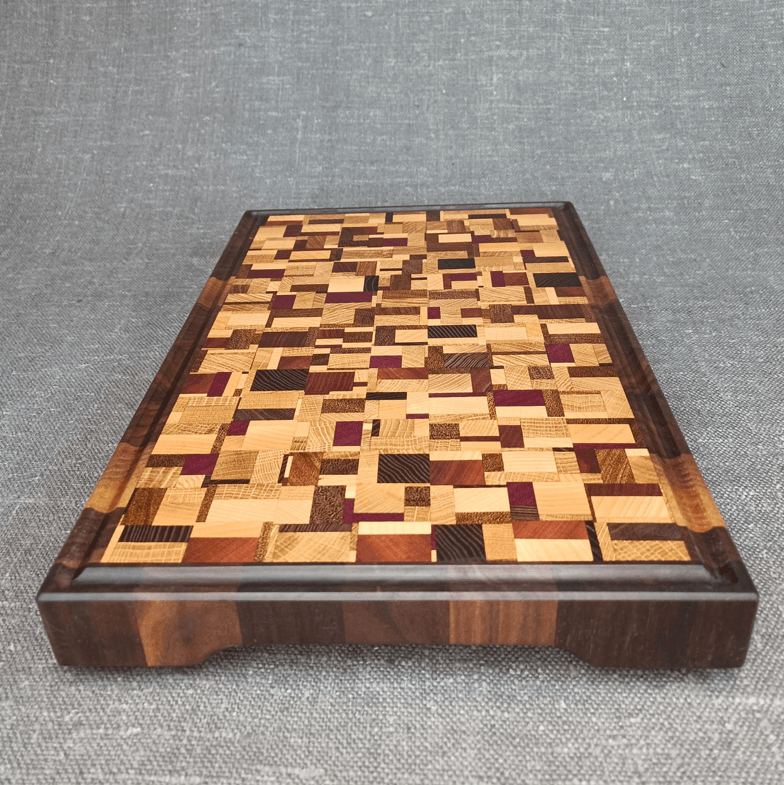
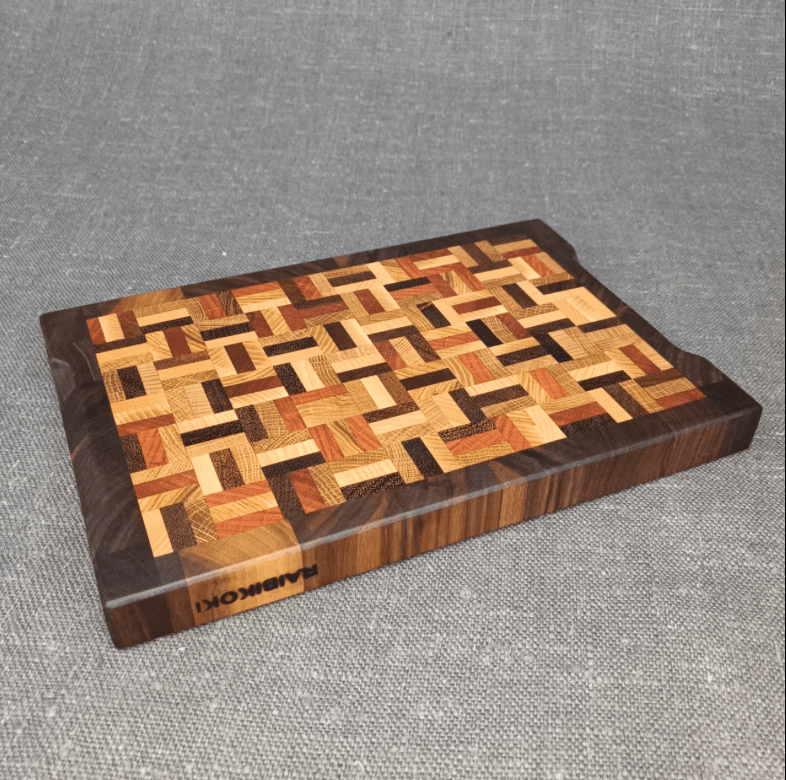
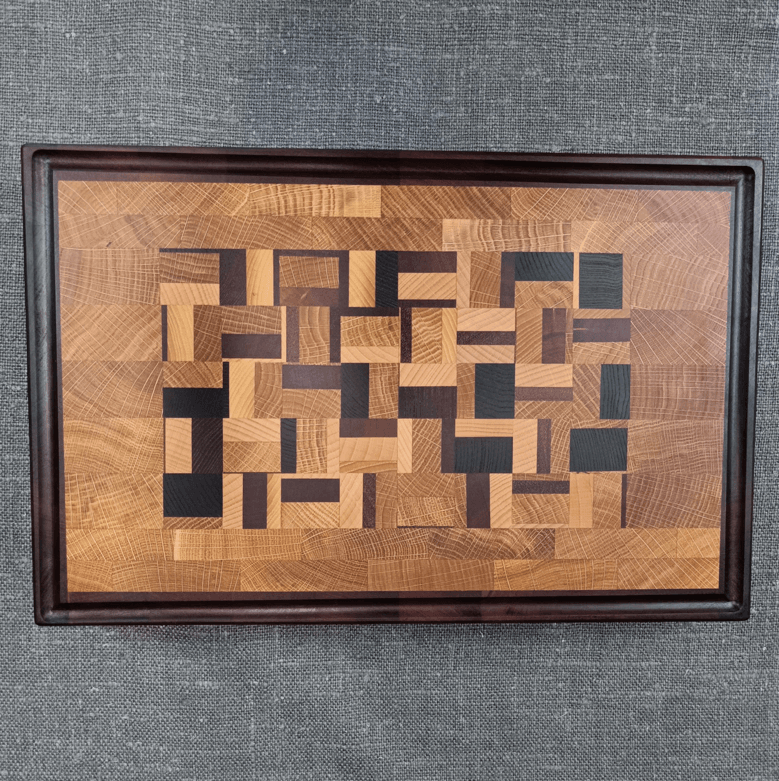
On an end-grain board the wood fibres stand upright like bristles, so a knife slips between them instead of cutting across them. That keeps knives sharp longer, and small cuts close up again, so the board lasts. Wash it by hand, dry it standing, never soak it or use the dishwasher, and oil it with food-safe board oil whenever it looks dry.
End grain vs edge grain
| End grain | Edge grain | |
|---|---|---|
| Fibres | Stand upright, like a brush | Lie flat along the board |
| On knives | Very gentle; edges stay sharp longer | Harder on edges |
| Cut marks | Partly close up again | Stay visible |
| Care | Needs regular oiling | Needs less oil |
| Look | Chequerboard or mosaic pattern | Long stripes |
Caring for a wooden board
- Wash by hand with warm water and a little detergent straight after use.
- Dry it with a towel and let it air-dry standing on its edge.
- Never soak it or put it in the dishwasher: the wood swells and can crack.
- Oil it with food-safe board oil or mineral oil: weekly for the first month, then whenever it looks pale and dry.
- Remove smells with coarse salt and half a lemon, then rinse and dry.
Made in Ķekava
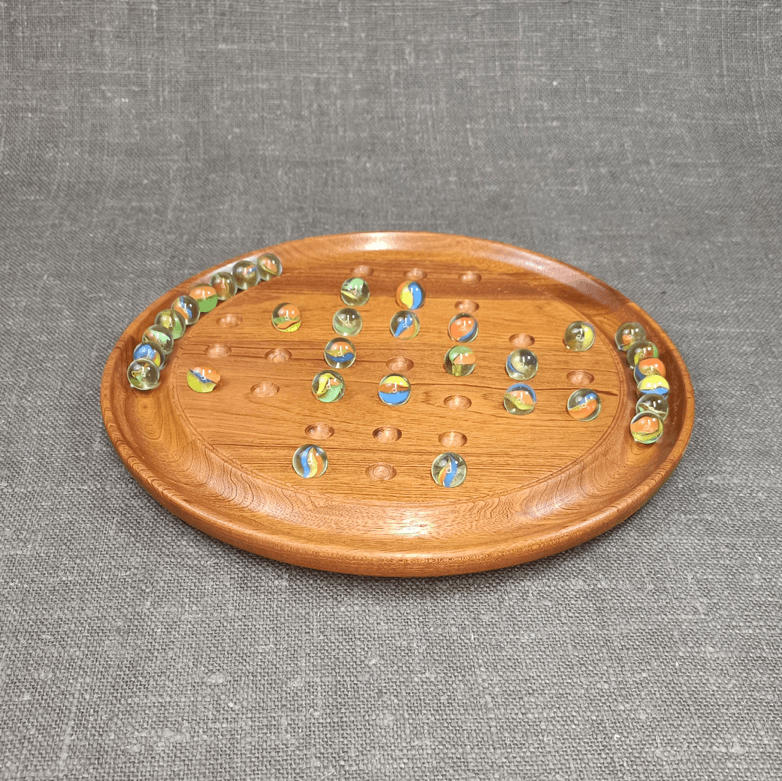
Delmara's boards come from Raibi Koki, the workshop of Andris Budrēvičs, a trained artistic furniture joiner who has made household objects near Ķekava since 2016. He combines contrasting hardwoods and lets the grain decide the pattern, so no two boards are alike.
Questions and answers
- Is an end-grain cutting board worth it?
- If you cook often and care about your knives, yes. End grain is gentler on edges and wears more slowly than edge grain. It needs a little more oil.
- How often should I oil a cutting board?
- Weekly for the first month, then whenever the wood looks pale or dry, often once a month. Use food-safe board oil or mineral oil, never cooking oil, which can turn rancid.
- Can a wooden cutting board go in the dishwasher?
- No. Heat and long soaking make the wood swell and crack. Wash it by hand and let it dry standing up.